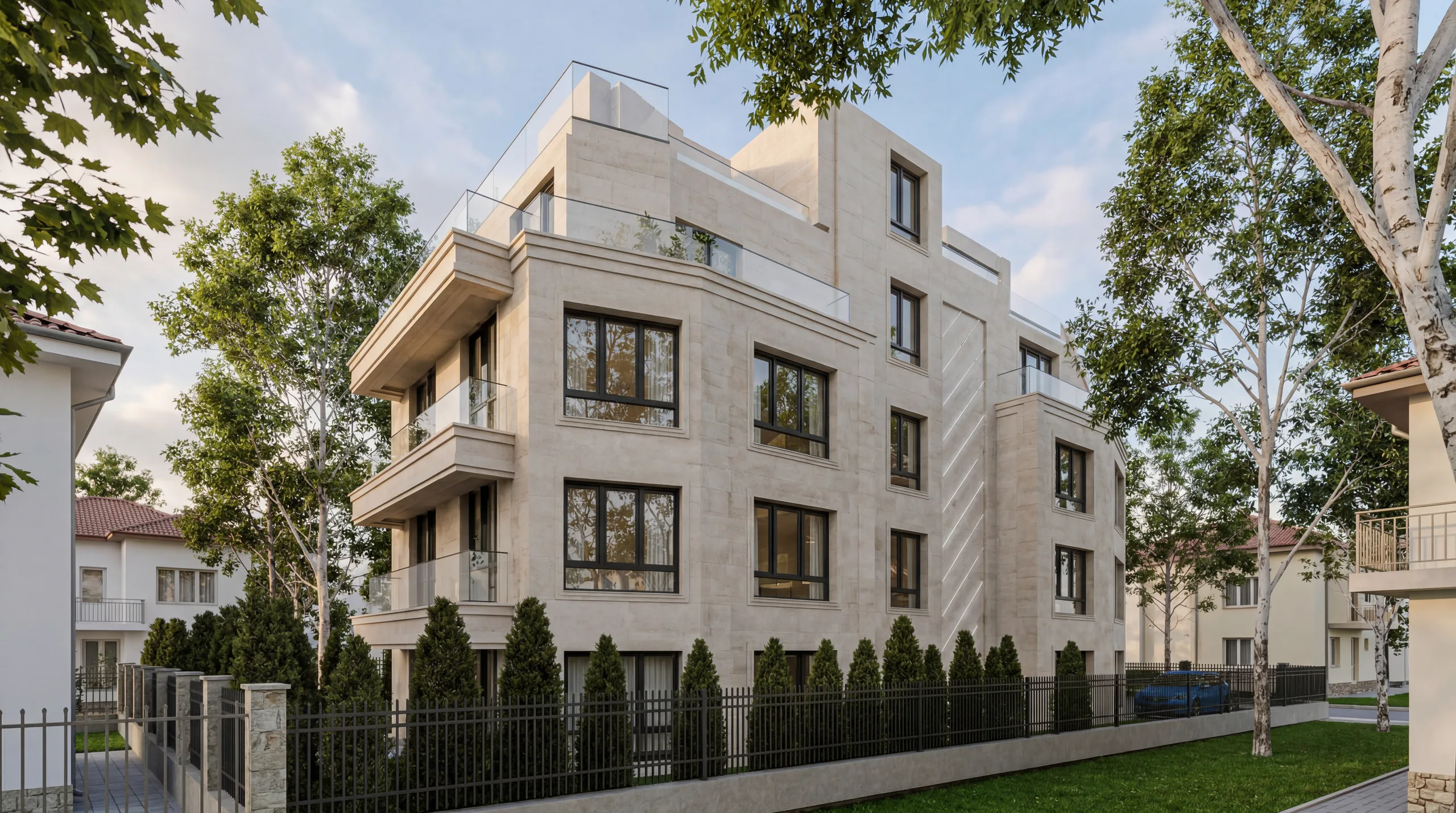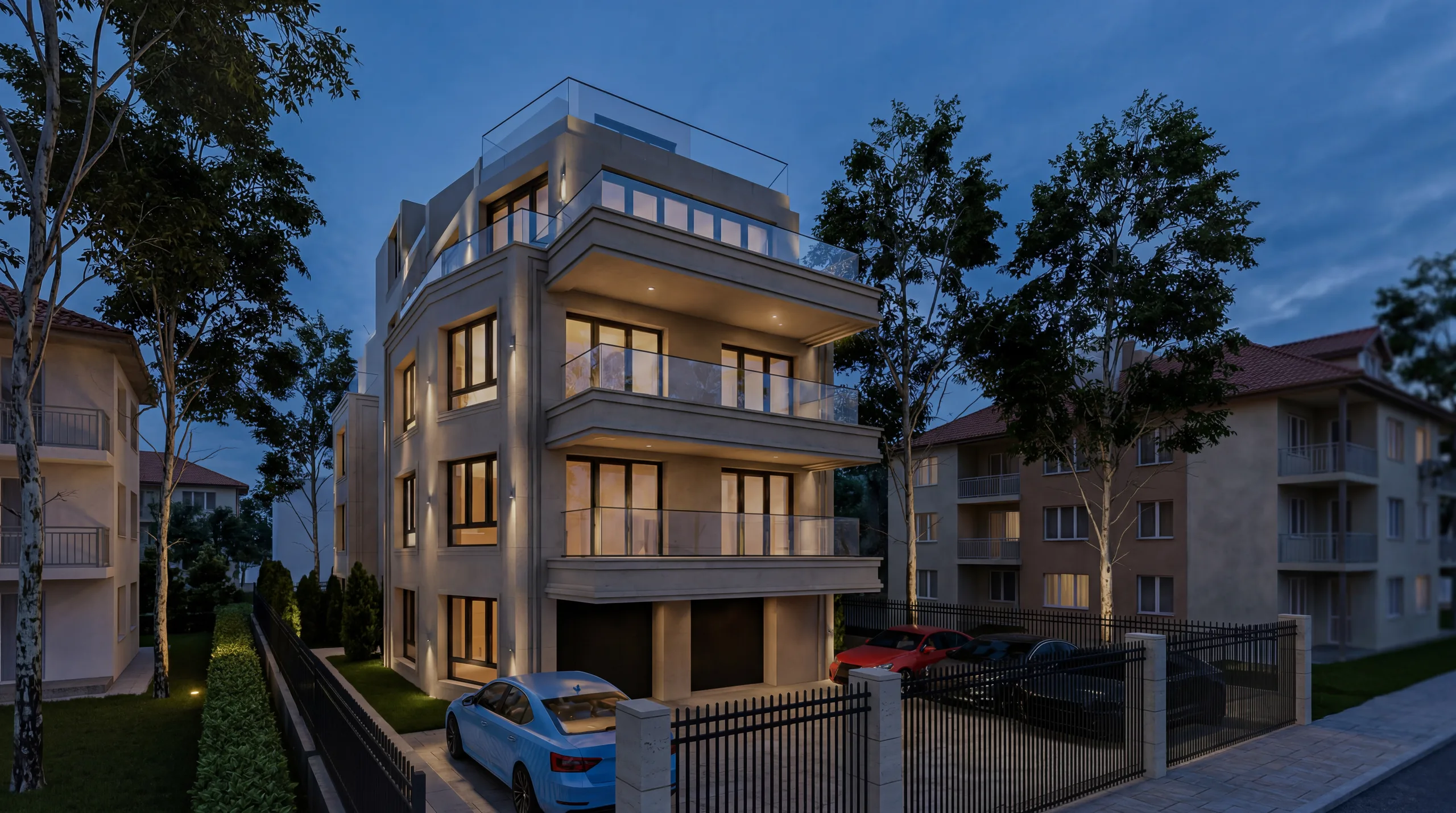
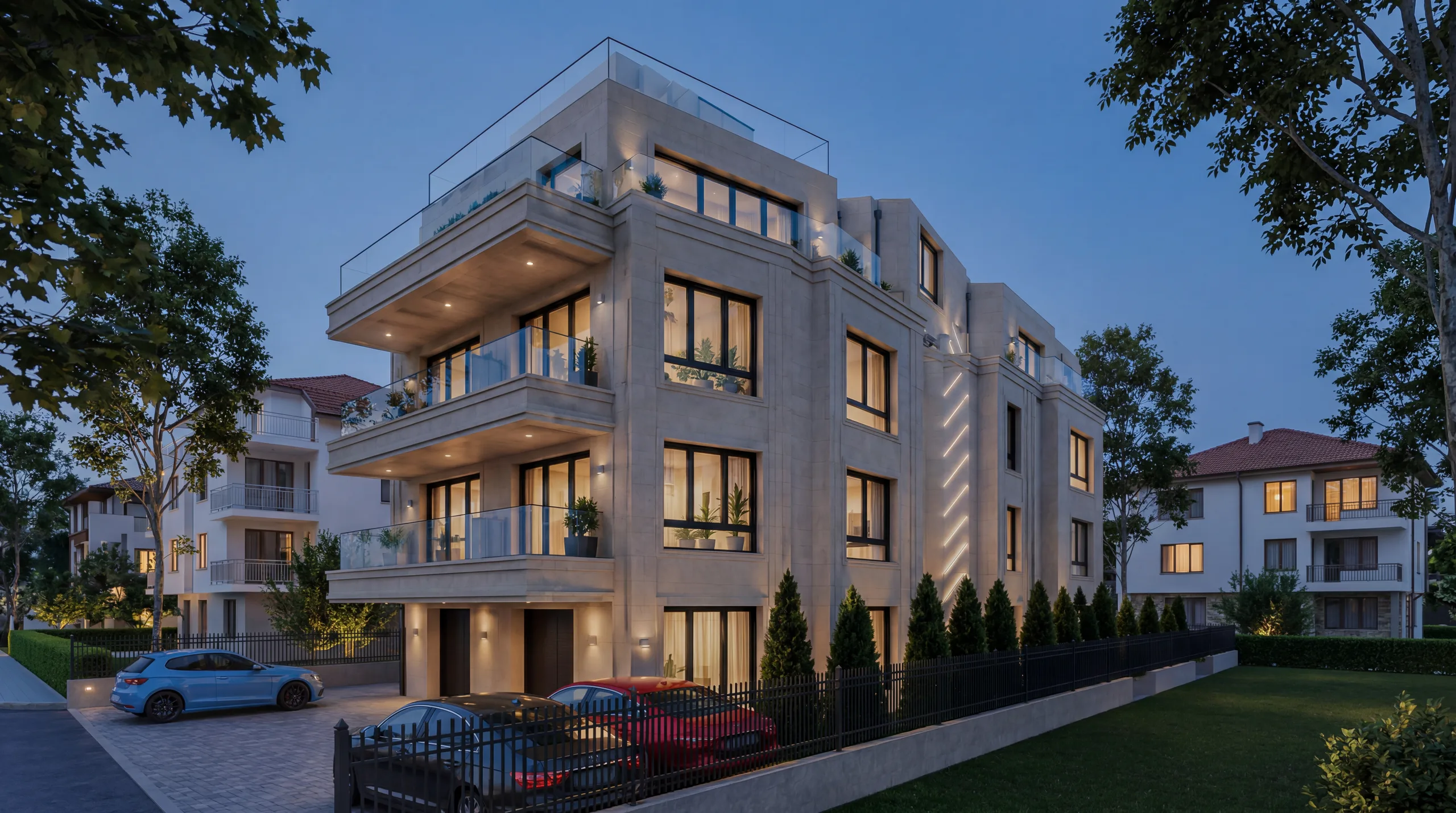
Buying a new-build property by the sea is a process that is both familiar and unfamiliar at once. Familiar, because it follows the standard steps of buying property in Bulgaria. Unfamiliar, because the distance — physical and sometimes psychological — from a coastal project adds specifics that are worth understanding in advance.
This article traces the typical process of buying a seaside property step by step, so that the prospective buyer can approach it with clear expectations.
Choosing a project and viewing it
Everything starts with choosing a project. With new-build coastal property it is important to see the location in person, not just from photographs and 3D visualisations. Photographs can be persuasive, but only being on the ground gives you a real sense of the actual closeness to the sea, the orientation of the building, and the neighbourhood around it.
During the viewing it is worth asking specific questions: who is the developer, what is the construction standard, which materials are included, what are the timelines, and what does the documentation look like. A viewing without questions is an incomplete viewing.
Reservation and preliminary contract
Once you have found the apartment, a reservation is the next step. It typically involves a deposit that holds the specific apartment for a defined period while a preliminary contract is prepared.
The preliminary contract is the central document of the transaction. It describes the apartment, the price, the payment schedule, the completion timeline, and the handover conditions. Read it carefully and do not hesitate to ask questions or request clarifications. A serious developer takes questions as a matter of course.
Payments and construction stages
With new construction, payment is typically staggered to match progress on the build. A typical structure includes an initial payment, subsequent instalments at key construction milestones, and a final payment at the point of commissioning. The specific parameters are negotiated individually.
If you are using bank financing, it is important to arrange this in parallel with the negotiations. Banks financing new construction usually require the build to have reached a certain stage. Speak to your bank in advance so you know the conditions.
Title deed and taking possession
When construction is complete and the building has received its certificate of occupancy, the process moves to the title deed. This is the final legal document by which ownership passes formally to the buyer. The title deed is executed before a notary, and both parties must be present or have authorised representatives.
Taking possession is the moment when you receive the keys. It usually coincides with the notarial act or follows immediately after. With a well-organised transaction and clear timelines, this step tends to be a pleasure rather than a stress.
What to watch for with new construction
New construction carries a specific risk: you are buying something that is not yet finished. That is why it is important to work with a transparent developer, with clear documentation, and with a project that has genuine readiness to be delivered on time. Check the developer's reputation, ask about previously completed projects, and familiarise yourself with the contract conditions for delay.
Quality new construction comes with warranties and liabilities prescribed by law. The developer carries responsibility for latent defects for a defined period after handover. Familiarise yourself with those timelines in the contract.
Buying Menebria with Kvartal Homes
Kvartal Homes works to a clear and transparent process: from the first conversation to the keys — one owner, direct responsibility, and no intermediaries. Menebria is an upcoming project and is currently at the stage of gathering interest — a good time to join the conversation, ask your questions, and get to know the details before sales officially open.
If buying a property by the sea is among your plans, register your interest in Menebria. We would be glad to meet you and walk through every step together.