Nesebar's Old Town appears on the UNESCO World Heritage List — one of the few Black Sea locations with that status. Its medieval churches, fortifications, and narrow peninsula structure make it a unique site that draws visitors from around the world. But living next to such a place is something different from a tourist visit.
In this article we look at what it means to have Nesebar's Old Town literally on your doorstep — and how the new town offers exactly that, without the constraints of living within the protected historic area itself.
A World Heritage site
Nesebar was inscribed on the UNESCO list in 1983. The status is recognition of the peninsula's outstanding universal value — not only the medieval churches, but the traces of Thracian, Greek, Roman, and Byzantine presence layered into a small space.
The UNESCO designation also has practical consequences: strict restrictions on construction and architectural intervention within the Old Town protect it from development and from changes to its character — a protection from which residents of the new town also benefit, indirectly.
History, churches, and cobblestones
More than ten preserved medieval churches can be found in the Old Town of Nesebar — a remarkable number for such a small area. The cobbled streets, the wooden bay windows of the traditional Nesebar houses, and the sea views from both sides of the peninsula create an atmosphere found nowhere else.
For people who value history and architecture, living a step from the Old Town means daily access to an environment with centuries of depth — not a tourist attraction but living heritage.
Life next to the culture, without the crowds
The tourist season in the Old Town is intense — the streets are packed, restaurants full, and movement is difficult. This is precisely why people living in the new town have an advantage: they can visit the Old Town in the morning or evening, when the crowds thin out, and return to their quiet neighbourhood within minutes.
The distance between the new and the Old Town is short — a ten-minute walk. But that small gap separates the historic atmosphere from the calm of life in a residential setting.
Walking from the new town to the Old
The route from the quiet residential zone of Nesebar's new town to the entrance of the Old Town passes along the coastal promenade and past the Windmill. That walk is a pleasure in itself: sea air, a path with views across the bay, and the gradual immersion into the historic atmosphere of the peninsula.
For residents of the new town, this walk is part of everyday life — for a morning coffee in the Old Town, an evening stroll, or a weekend spent exploring the historic site as a local.
The Windmill and the coastal promenade
The iconic Windmill stands at the corner where the coastal promenade meets the causeway to the Old Town. It is one of Nesebar's symbols and a gathering point for the town's daily life — walkers, photographers, residents, and visitors alike.
The coastal promenade stretches along the sea and links the new and Old towns. Walking it, especially at sunset, is one of those daily pleasures that draw people to life in Nesebar.
Menebria — close to all of this
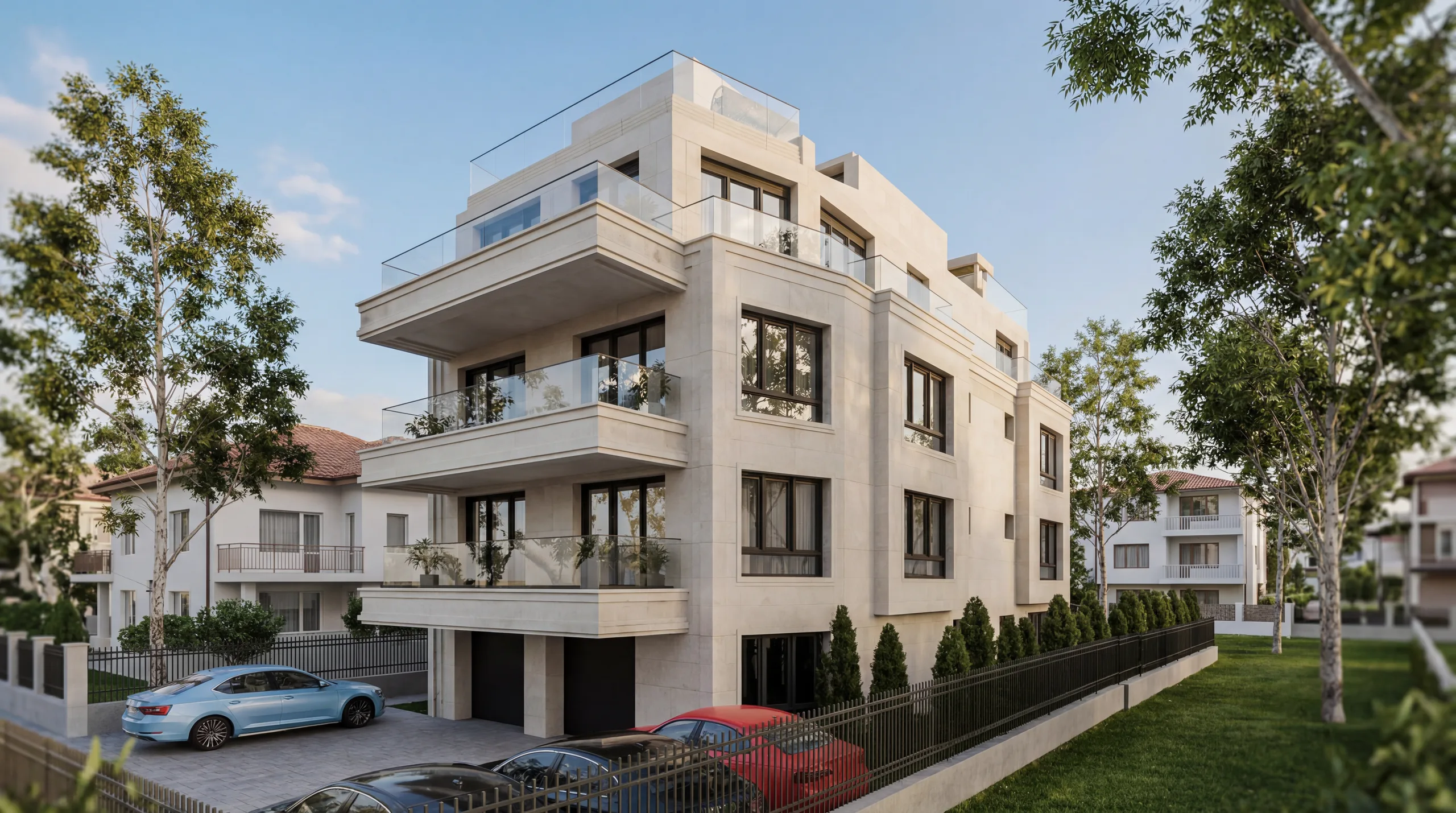
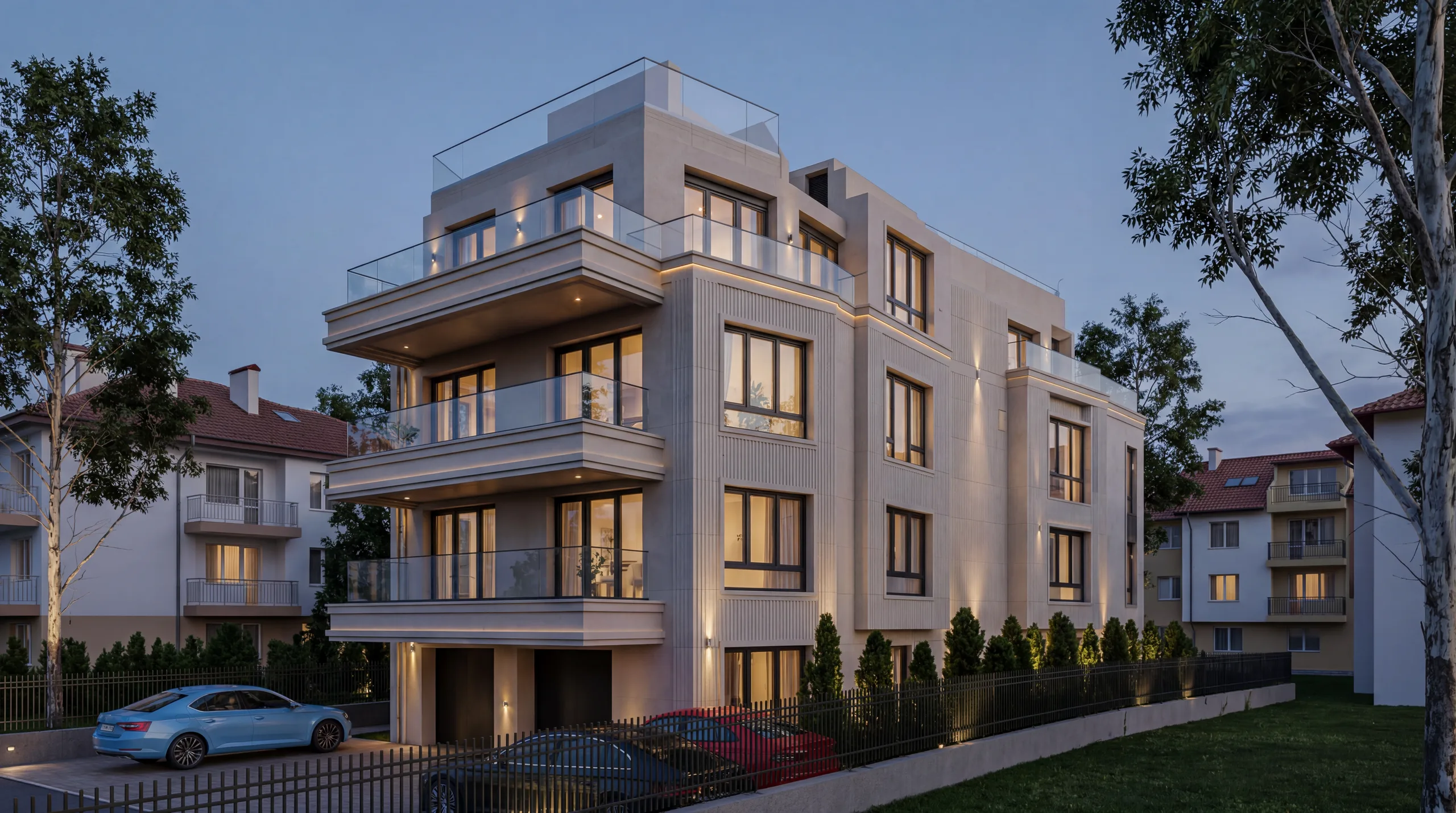
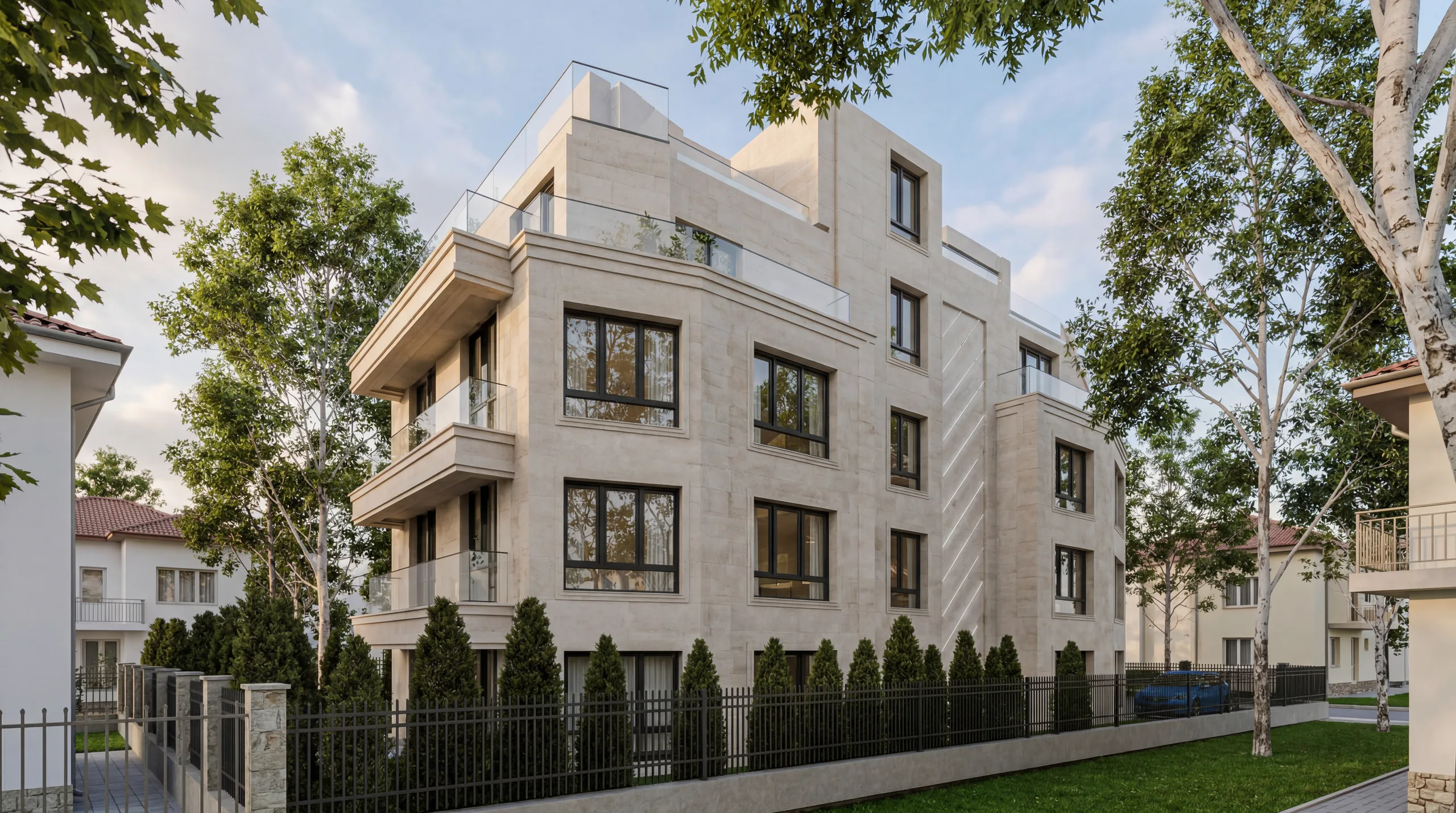
Menebria is a forthcoming boutique project by Kvartal Homes in Nesebar's new town — within walking distance of the coastal promenade, the Windmill, and the entrance to the Old Town. Six apartments with terraces and panoramic light, in a quiet residential setting from which history is just a few steps away.
If proximity to Nesebar's Old Town is a factor in your choice, register your interest — we will keep you informed when the project is officially presented.