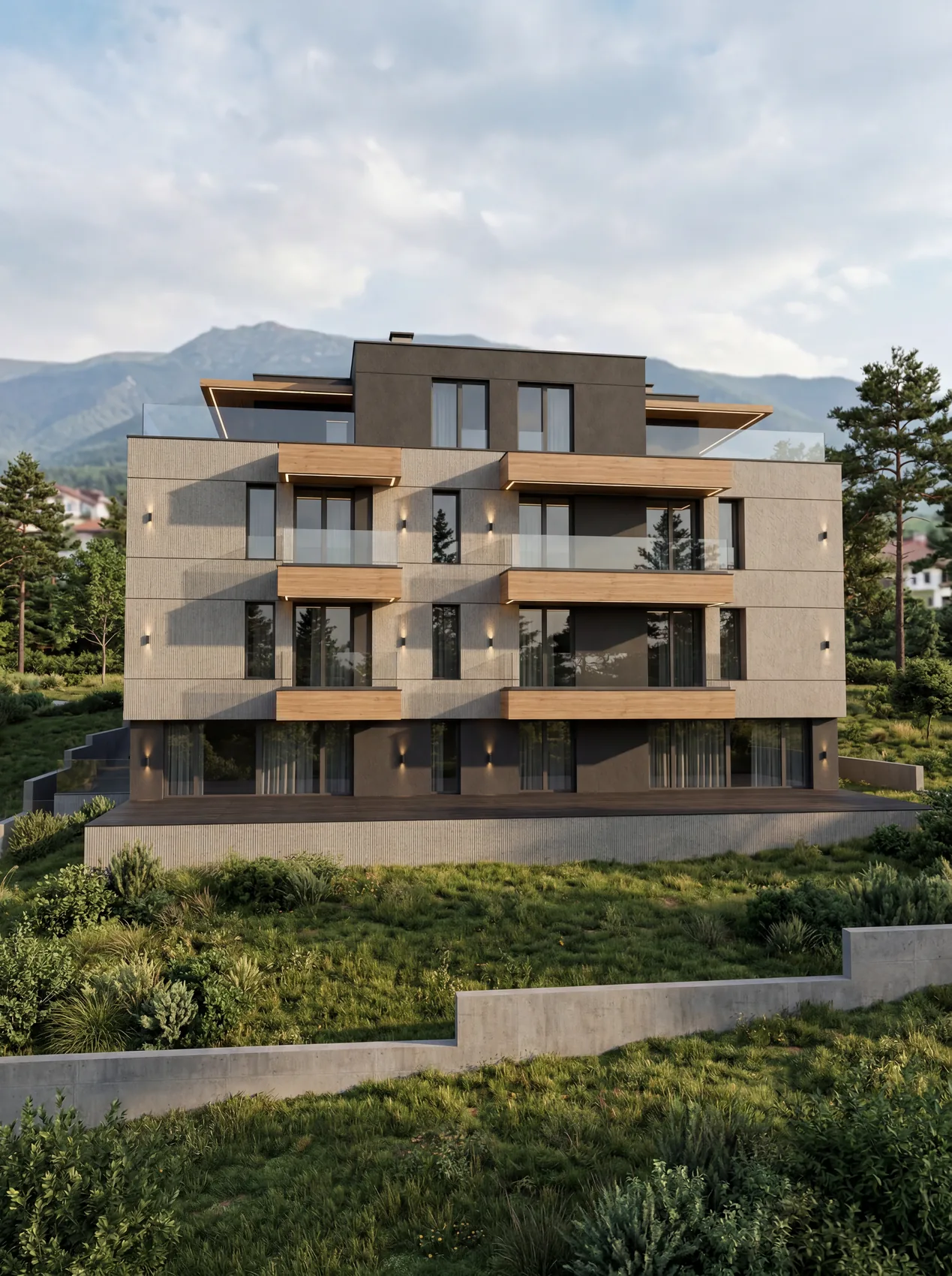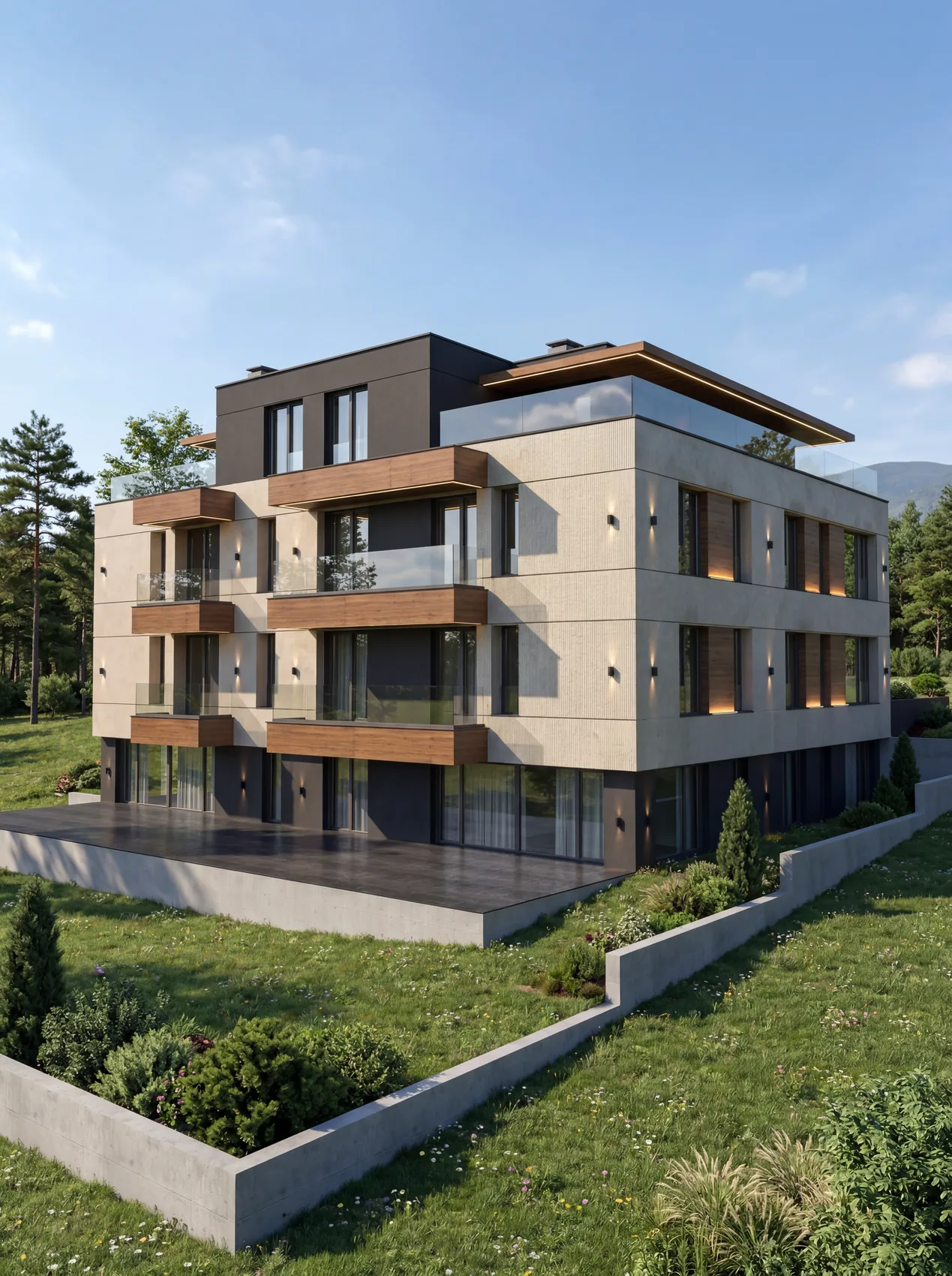

BDS handover gives you an apartment with the structure, installations and plastering complete, but without final finishes. That means specific, but manageable, work lies ahead once you collect the keys.
Planning that work in advance saves time, stress and unnecessary cost. Here is the usual sequence and what to focus on.
What you find at BDS handover
Under BDS, the masonry, plaster and screeds are typically complete, along with the water and sewage connections, the electrical installation up to switches and sockets, and the heating system. The building's common areas are delivered fully finished.
It is a solid base: the walls are straight, the floor screed is ready for flooring, and the installations are waiting only for the final fittings.
A sensible sequence for finishing works
A logical order is to plan and fit any hidden elements first — final placement of light fixtures and switches, if it differs from the base layout — then lay the flooring, so it is not damaged by later work.
The bathroom and kitchen usually run as a separate, more time-consuming stage because of waterproofing, tiling and fitting sanitaryware. Interior doors are logically fitted last, after painting and flooring, so they are not damaged during the rest of the work.
Planning a budget for finishing works
The budget depends entirely on your choice of materials and contractor, so this article does not list specific figures. A sensible approach is to request quotes for each stage separately — flooring, bathroom, kitchen, doors — and set aside a reserve for unforeseen costs.
Set aside a separate line for interior design work too, if you are planning it — it determines material quantities and makes it easier to cost the whole finishing job accurately.
Why a quality shell lowers finishing costs
A solid base directly affects the finishing budget. Straight walls and a good screed mean less preparation before tiling and painting, and a properly installed underfloor heating system and quality joinery reduce the need for extra insulation later.
In other words, the investment in a building's shell pays back to the owner as faster, more predictable finishing work.
Realistic timelines
How long finishing takes depends on scope — a full fit-out takes longer than flooring and paint alone. Build a reserve into your schedule for material deliveries and coordination between trades, so you avoid delaying your move-in date.