The idea of a second home by the sea usually starts with images of summer mornings and quiet evenings on the terrace. Real ownership also comes with a degree of responsibility, especially when the apartment sits empty for most of the year.
Planning the maintenance costs in advance makes that responsibility far lighter. Here are the main categories to think through — without specific figures, since these depend on the location, the building and your own choices.
Managing the property in your absence
When you are not at the seaside for most of the year, someone needs to check the apartment periodically — open the windows to air it out, check for leaks and keep an eye on the general condition of the home.
This can be a service from a management company, a trusted local contact, or the building itself, if it has an administration. Build this into your budget from the start, rather than working it out at the last minute.
Utilities for an empty apartment
Even when you are not living in the apartment, certain costs continue — a common-area maintenance fee, minimal electricity use to keep appliances running and, if needed, heating through the colder months to protect the installations.
It is sensible to treat these as a constant, if smaller, line in your annual budget, rather than a surprise at your next visit.
Insurance
Property insurance matters even more for a second home that sits unsupervised for long stretches. It covers risks such as damage from weather events, water incidents or theft — situations where a quick response on site is not possible.
Insurance terms and coverage vary considerably, so it is worth comparing a few options and choosing cover that accounts for the property remaining unoccupied for periods of time.
Seasonal preparation
Before the season ends, it is good practice to prepare the apartment for a period of absence — check the joinery, switch off unnecessary appliances and see to any terraces or outdoor space the property has.
Before the summer season, in turn, it is sensible to check the air conditioning, the plumbing and the general condition of the home, so you arrive to a fully ready property.
Why a new build with controlled access simplifies remote ownership
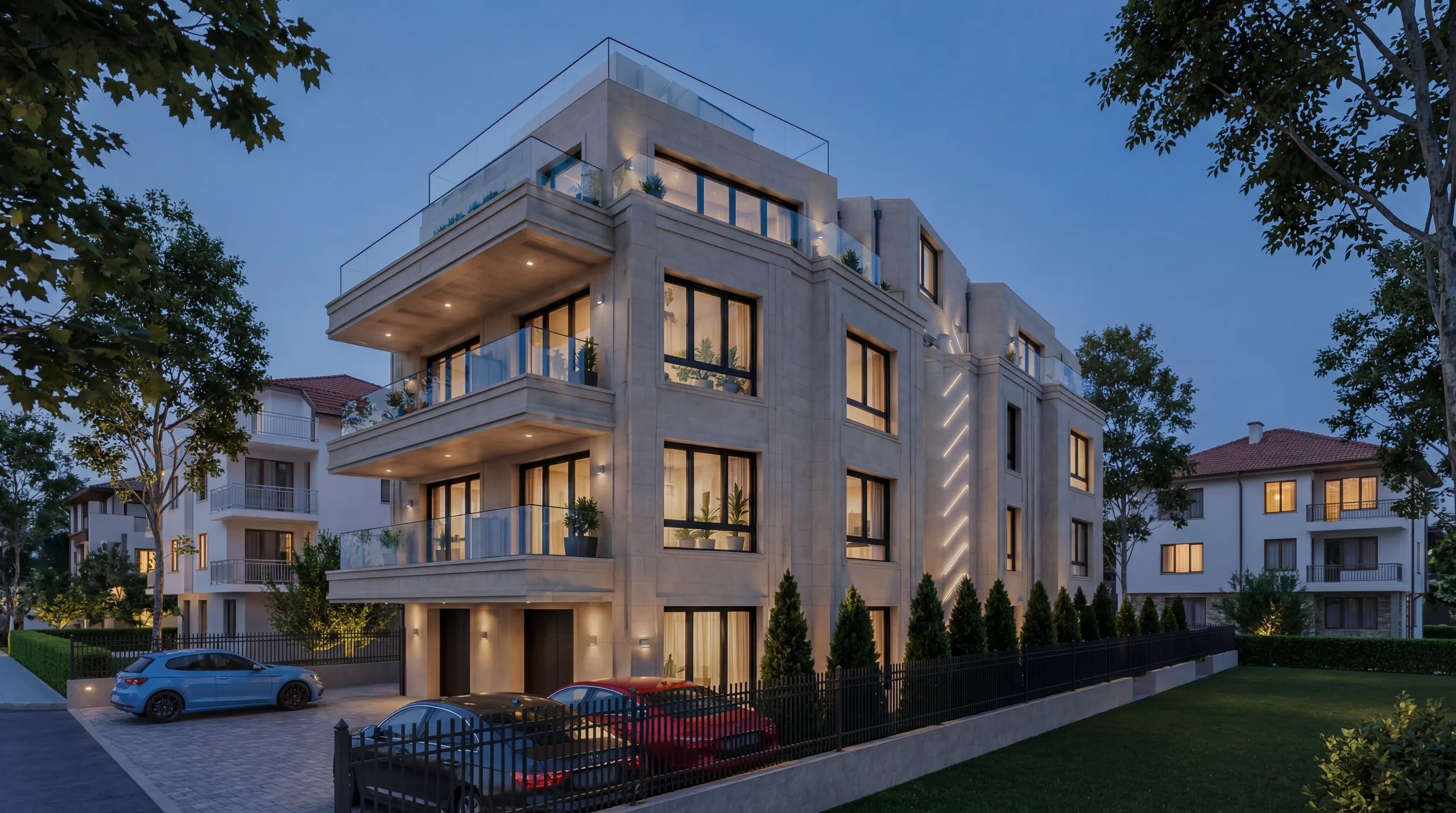
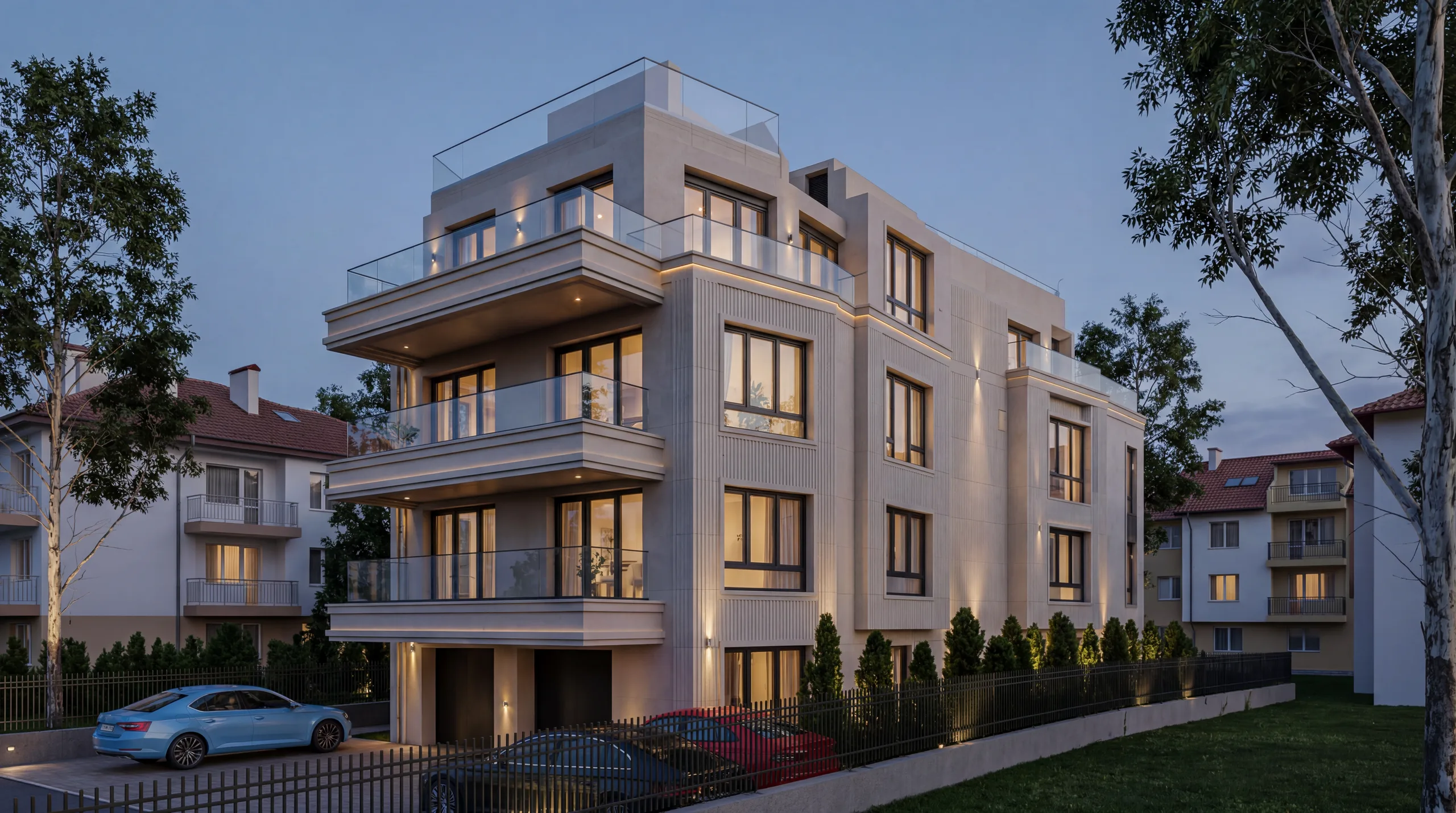
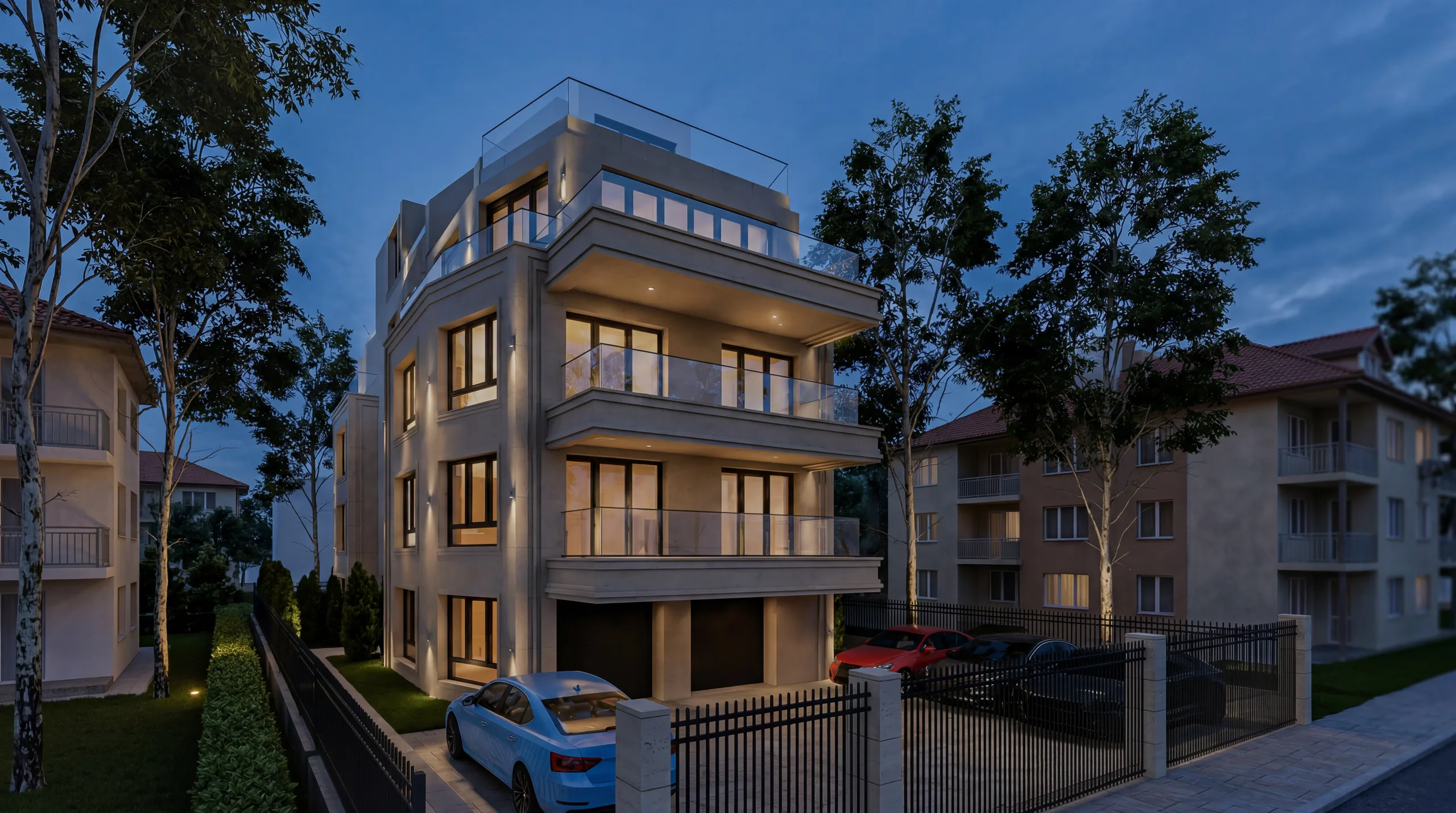
An apartment in a new building with controlled access removes some of the worry of owning a property remotely. Newer installations need fewer urgent repairs, and controlled access limits the risk of unwanted visits while you are away.
The combination of quality construction and a well-managed building turns a seaside second home into a calmer, rather than a more anxious, possession throughout the year.